LOCAL COLUMN
OPINION: Not providing Medicaid coverage for obesity treatments harms patients, NM economy
As a pediatric endocrinologist who has practiced medicine for over 25 years and in New Mexico for over three years, I have watched countless children suffer from the chronic conditions associated with obesity. Obesity in children is linked to 200 medical conditions, including type 2 diabetes (T2D), heart disease, kidney disease, liver disorders and other largely preventable illnesses. Obesity isn鈥檛 just about numbers on a scale, but instead it can deeply impact a person鈥檚 health, quality of life, affect their ability to work and if left untreated, significantly shorten lifespans.
Medicaid coverage for obesity treatments would save lives and reduce unnecessary health care costs created by the host of related conditions that can develop when obesity is not treated. The obesity epidemic drives up medical care costs. Studies show that within two years of the diagnosis of T2D, a large percentage of these children will already show signs of eye and kidney damage. Two years. Now imagine, if you will, a person with obesity who develops T2D at age 12. By 16 they will likely have detectable eye and kidney damage. By 20 they are likely to have kidney disease. And in their mid-20s, at a time when they should be working to contribute to society and live independently, they may be incapacitated by blindness and kidney failure that requires dialysis three times a week. The potential costs not just for the medical system but for the state at large are incalculable.
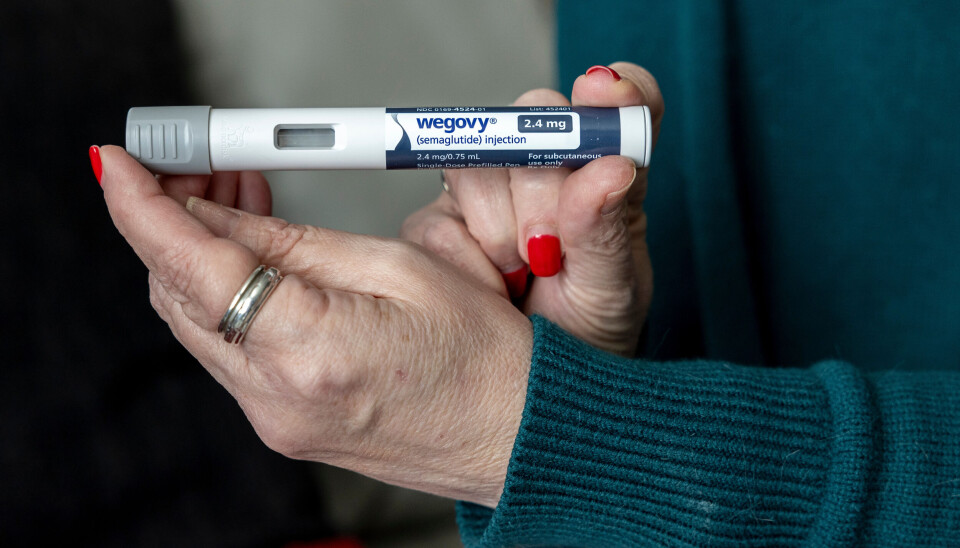
For these reasons, the decision to not include funding for Medicaid coverage for science-backed, Food and Drug Administration-approved obesity medications this legislative budget session is not just disappointing, it鈥檚 shortsighted and fiscally harmful.
Many of the over 35% of New Mexicans living with obesity will not have the tools they need to treat their obesity, reduce their risk of developing related chronic illnesses and, most importantly, improve their health with life-changing medicine that could have tremendous impact on their quality of life. Medicaid coverage for obesity treatments and interventions is literally life-changing for many, and I see every day in my office how significant this coverage could be.
When I started practicing as an endocrinologist over 25 years ago, almost 100% of our pediatric patients we diagnosed with diabetes had type 1 diabetes. Now, in New Mexico, half of our new diagnoses are type 2. Just a few months ago, I diagnosed a 6-year-old girl with T2D. All of this is frightening, given that the prognosis for youth with T2D is so much worse than it is for youth with T1D. Every week, I refer multiple children with obesity and pre-diabetes, who I know with almost absolute certainty will develop T2D if they do not address excess weight. And the conversion to T2D usually happens within a few months. Once they develop T2D, it is very difficult to reverse that diagnosis, which means that most of them will progress to developing kidney disease, vision loss and heart disease at a young age, unfortunate frequent and avoidable complications if risks were addressed with evidence-based care and treatment when needed. The ability to use GLP-1 medications to manage weight and reduce the risk of T2D would be not only life-changing but would change the entire health trajectory of their lives and the state鈥檚 fiscal health.
While the state鈥檚 rationale for not including access to obesity medications is to reduce costs, this type of short-term accounting only considers immediate costs and savings and ignores the long-term reality of what untreated obesity will cost our health care system, much less the individuals affected. I liken this situation to a tsunami. At this moment we are the ones standing on the shore wondering why the water is moving away from us.
While many children and adolescents with obesity will be left without access to the treatment they need, lawmakers have an opportunity next session to expand access to proven obesity treatments and interventions, which will result in long-term cost savings and most importantly significantly improved health of New Mexicans across the state. Let us all hope that in the next legislative session, lawmakers will hear us that providing obesity coverage can be transformative to New Mexicans and our state overall.
Dr. Michele Hutchison is a pediatric endocrinologist.


