BEHIND THE SCENES
New Meow Wolf CEO says ‘physical experiences’ will be central to the future of entertainment
Locations underway in Los Angeles, New York to reflect their surroundings, ‘enlarge’ company’s vision
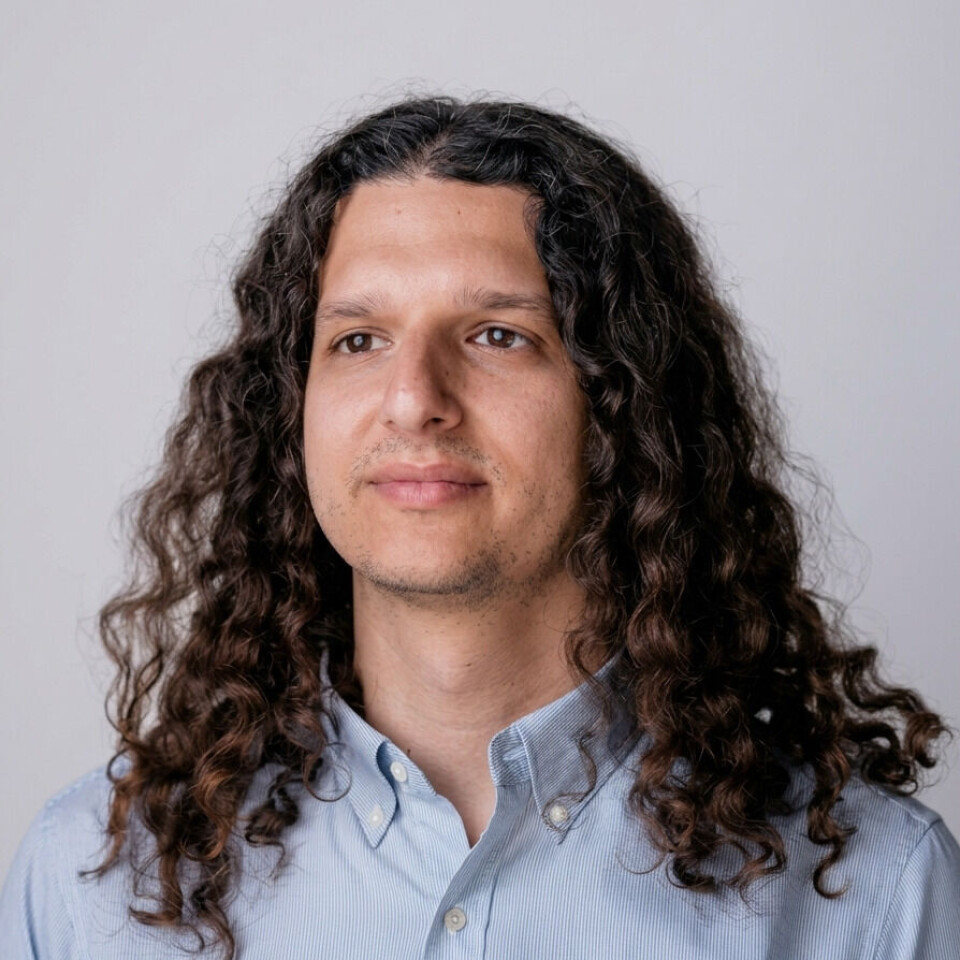
SANTA FE — Matthew Henick started as CEO of immersive entertainment giant Meow Wolf on Monday, but he’s spent some of his opening days as millions of visitors to the company’s flagship location have: walking through a glowing refrigerator into a room of wonders and playing musical notes on a mastodon replica’s giant ribs.
A former vice president at California-based tech company The Trade Desk who also spent time as a Meta and Epic Games executive, Henick came aboard during a milestone moment for the company, with
Since opening “House of Eternal Return� in Santa Fe in 2016, Meow Wolf has grown by leaps and bounds. The company is now represented in four other cities across the U.S., with new locations underway in Los Angeles and New York.
On the heels of the company’s TIME magazine honor, Henick answered Journal questions this week about what he envisions for the future of Meow Wolf and the entertainment business at large.
This interview has been edited for length and clarity.
Meow Wolf being named to TIME magazine’s “10 Most Influential Travel and Tourism Companies of 2026� list is a prestigious honor — but it is not the first time the company has earned recognition from a major publication. What makes this latest accolade especially significant?
What this recognition is really about is influence. Meow Wolf has spent close to two decades pushing what (an) immersive, narrative experience can be, and the industry has moved with us. We’re part of a broader creative economy, all pushing to give people a reason to leave the house. The bar is rising across the board, and we intend to keep raising it. The list also names something that everyone is feeling: Time spent together with other people, inside a world made by hand, is getting rarer. That’s exactly the thing worth traveling for.
You bring a mix of media, tech and gaming experience to your new role as CEO at Meow Wolf. What about that combination makes you a good fit for the position, and why did you pursue this new role?

Meow Wolf is one of very few companies where narrative, technology and play all have to be operating at the highest level at the same time. Story is what makes a guest care about where they are. Technology is what lets a world hold up under thousands of bodies moving through it every day. Play is what turns a visit into a memory. I’ve spent my career bouncing between all three because that’s where I find the most interesting problems. Here, they all matter equally, and that’s the puzzle I most want to be solving. I came because there aren’t many companies in the world where the work is this ambitious, this strange and operating at (a) meaningful scale at the same time. I believe the next enduring entertainment company will have physical experiences at its center.
When you take on a new leadership role with an organization, what do you do first? What has occupied your opening days at Meow Wolf?
The first job is to listen to the artists, designers, fabricators and operators who actually make this place run. My first weeks are more time on the floor than in meetings. Walking the existing exhibitions. Sitting in on creative reviews for what’s coming next. Meeting teams in Santa Fe, Denver, Las Vegas and Houston. The question I’m trying to answer is simple: Where is the creative ambition running hot, and what’s in its way? There’s a strong vision already running through this company. My early job is to understand it and clear the path.
Meow Wolf is largely focused on creating worlds that visitors can interact with, like gaming. I once read a quote from Rockstar Games Co-founder Sam Houser, who said that the best games give you the sense of walking around inside a painting. How do you plan to translate your experience with producing game worlds into real-world interactive spaces?
Houser is right. In games, the goal is to make the screen disappear so you feel like you’re standing inside the painting. What gaming actually teaches that carries over is that the best stories aren’t told to the audience; they’re discovered by them. Environmental storytelling. Density of detail that rewards attention. Branching agency, where a curious guest gets rewarded differently than a passive one. The difference is that in our spaces, your body is the controller. You hear the sounds of the forest. You feel the floor change underfoot. That’s a register of presence that physical space is uniquely suited to deliver, and it’s part of why I’m convinced the next decade of great storytelling is going to expand into rooms you can walk through.

What was your relationship to New Mexico before becoming CEO, and why do you think Meow Wolf grew out of a place like this?
I’ve only known New Mexico as a visitor up until now, but even as a visitor, the thing you notice immediately (in Santa Fe) is that this place takes creative work seriously in a way most American cities don’t. It’s in the architecture, the galleries, the way people talk about art as a basic fact of life rather than a luxury. Meow Wolf growing here is no accident. Santa Fe is one of the few American cities where high art and DIY counterculture have always lived on the same block as weird neighbors. Peter Zandan, a Meow Wolf board member, has called Santa Fe the per-capita creative capital of the United States, and I think he’s right. A company this strange needed a city that wouldn’t flinch.
What is your current favorite exhibit at Meow Wolf Santa Fe?
I keep coming back to the mastodon in House of Eternal Return. It’s a full-scale skeleton you climb inside, with xylophone ribs you can actually play. Strangers walk in and start a song together without speaking. It’s elaborate and unprecious at once. If someone asked me what we’re really after, I’d point to that room first.
What excites you most about the company’s upcoming locations in New York and Los Angeles? Is there anything new you can share about the company’s plans for those spaces and how they might be different from Meow Wolf’s other locations?
We are not building New York and LA versions of what already exists. Each Meow Wolf is its own world, designed for the city it lives in. “House of Eternal Return� is not “Omega Mart� is not “Convergence Station.� New York has a density and verticality that demands a different shape: stacked, theatrical, claustrophobic in places. LA is sprawl, screen culture, and the particular American surrealism that lives between studio lots and strip malls. Both creative teams are deep in the work right now, and there will be more to share as we get closer. What I will say is that anyone with a fixed picture of what Meow Wolf is, even people who’ve been to all five open exhibitions, should expect the next two to enlarge that picture, not repeat it.
John Miller is the sa¹ú¼Ê´«Ã½¹ÙÍøÍøÒ³Èë¿Ú’s northern New Mexico correspondent. He can be reached at jmiller@abqjournal.com.


