Marc Simmons, 1937-2023: Prolific author drew deep from the well of Southwest history


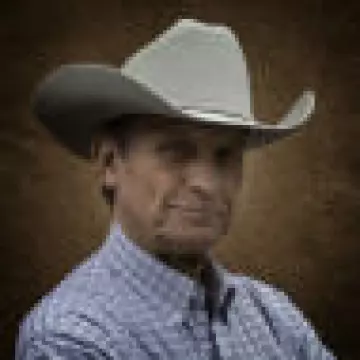
Published
Modified
Marc Simmons once said that everything he had done since the sixth grade was directed toward finding out about the history of the Southwest.
鈥淚t鈥檚 so exciting 鈥� like a dramatic well you can keep drawing from,鈥� Simmons told an sa国际传媒官网网页入口 newspaper reporter in 1991.
Simmons never came up dry. He wrote, edited or contributed to more than 40 books.
Among those he authored are 鈥淩anchers, Ramblers and Renegades,鈥� 鈥淵esterday in Santa Fe,鈥� 鈥淐oronado鈥檚 Land,鈥� 鈥淢urder on the Santa Fe Trail,鈥� 鈥淭he Little Lion of the Southwest: A Life of Manuel Antonio Chaves,鈥� 鈥淲hen Six Guns Ruled,鈥� 鈥淲itchcraft in the Southwest鈥� 鈥淜it Carson & His Three Wives鈥� and 鈥渟a国际传媒官网网页入口: A Narrative History,鈥� the last of which received the Western Writers of America Spur Award in 1982.
鈥淚 think he was one of a handful of great New Mexico historians,鈥� said Paul Hutton, distinguished professor of history at the University of New Mexico. 鈥淗e didn鈥檛 publish big books. He published little books because he would never stop researching. But he knew everything and he knew everybody.鈥�
Simmons died on Sept. 14 at La Vida Llena retirement community in sa国际传媒官网网页入口. He was 86.
Survivors include his brother Hal Simmons and Hal鈥檚 wife Ina of sa国际传媒官网网页入口; a nephew, Scott Simmons of Pueblo, Colorado; and five nieces, Jill Ritz and Nan Griswold, both of sa国际传媒官网网页入口; and Jan Person, Susan Garza and Judy Burnett, all of Dallas.
Plans for a celebration of life will be announced soon.
鈥淚t鈥檚 always sad when you lose someone like Marc,鈥� Hutton said. 鈥淚t鈥檚 like losing a library.鈥�
Home on the range
Simmons was born in Dallas and developed his passion for history early on by reading novels of the old Southwest and histories and memoirs of frontier times.
After earning an undergraduate degree at the University of Texas, Simmons pursued graduate work in history at UNM, studying under Dr. Donald Cutter, distinguished professor of Spanish borderland studies.
鈥淢arc was a Ph.D., but he did not go into the academy (university teaching),鈥� Hutton said. 鈥淗e stayed an independent historian. He was a grassroots historian. He would dig out information like Kit Carson had a Cheyenne wife. I had certainly never heard of her before (鈥淜it Carson & His Three Wives鈥�) came out.鈥�
Hutton and Simmons shared an intense interest in frontiersman Carson鈥檚 life. The two were on Carson panels together and Simmons was a 鈥渢alking head鈥� on 鈥淐arson and Cody: The Hunter Heroes,鈥� a 2003 History Channel documentary written and produced by Hutton.
In 1963, looking for a quiet place to write his doctoral dissertation, Simmons moved to a remote location near Cerrillos and built a house out of adobe bricks he had made.
鈥淚 thought I was going to stay here just a short while and then go off and be a history professor at some Ivy League college,鈥� Simmons said in a 1991 newspaper interview. 鈥淏ut I was born to live in the boondocks of New Mexico.鈥�
Simmons, in fact, lived at his isolated home until 2017. One building grew into six separate ones. He used propane to operate a stove and refrigerator, and he eventually had a phone installed. But he never had electricity or indoor plumbing, and he wrote his books, magazine articles and newspaper columns on a manual typewriter.
Mark L. Gardner is an accomplished writer of popular histories of the Old West and a musician specializing in the historic music of the American West. He was also a close friend of Simmons.
Gardner said Simmons shunned as many modern conveniences as possible, presumably preferring to stay as closely connected as possible to the past he loved.
鈥淏ut if he heard about a new book he wanted, he鈥檇 call me up and say, 鈥楳ark would you be able to go online and order this from Amazon for me.鈥欌��
Mentor and friend
Gardner鈥檚 books include 鈥淭o Hell on a Fast Horse: The Untold Story of Billy the Kid and Pat Garrett鈥� and 鈥淪hot All to Hell: Jesse James, the Northfield Raid and the Wild West鈥檚 Greatest Escape.鈥�
鈥淣o one influenced my career more than Marc,鈥� Gardner said during a phone interview from his Cascade, Colorado, home. 鈥淗e was there for me when I was a budding writer. He couldn鈥檛 have been a better mentor to me. I ascribe all my success to him. There was no greater thrill than to send a piece to Marc and get his approval.鈥�
A common interest in the Santa Fe Trail forged Simmons and Gardner鈥檚 friendship. Gardner said Simmons co-founded the Santa Fe Trail Association and also campaigned for and contributed his own money to the restoration of the Pigeon鈥檚 Ranch building, which played a significant role in the Civil War battle of Glorieta Pass.
鈥淗e was a juggernaut for the Santa Fe Trail,鈥� Gardner said. 鈥淣o one was more important to saving the trail. And he sold a collection of Indian pots to help stabilize the Pigeon鈥檚 Ranch building.鈥�
He said his favorite Simmons books are 鈥淜it Carson & His Three Wives鈥� and 鈥淪outhwestern Colonial Ironwork: The Spanish Blacksmithing Tradition.鈥�
鈥淭hat speaks to the breadth of Marc鈥檚 work,鈥� Gardner said. 鈥淗e could write popular history, but he did material culture study that was as good as any museum curator could turnout. He went to school to be a farrier. Marc went to Spain to research colonial blacksmithing. He spoke Spanish fluently.鈥�
And he loved books. There were thousands of them at his Cerrillos outpost.
鈥淲e went book hunting together,鈥� Gardner said. 鈥淗e鈥檇 say, 鈥業 just going along. I鈥檓 not buying any books.鈥� And he鈥檇 end up with a $75 stack of them. He had so many books, he鈥檇 forget and buy one he had. And then he would give it to me.鈥�
Consummate pro
Ron Kil, a cowboy and artist who lives in Santa Fe, illustrated 14 of Simmons鈥� books and occasionally provided art for the history columns Simmons wrote for the Santa Fe New Mexican.
鈥淢arc was the consummate professional,鈥� Kil said. 鈥淗e was very serious and to the point. And he was pretty demanding.鈥�
Kil and Simmons worked together on five books in the University of New Mexico Press鈥檚 鈥淐hildren of the West鈥� series. Kil said the series, which was aimed at children, was proposed by Simmons.
鈥淗e thought kids needed a true vision of history, but he wanted (the books) to be positive,鈥� he said. 鈥淭he kids in the books would deal with challenges, go through some tough times, but they would get through it and lead good and productive lives.鈥�
All the books in the series were rooted in history. Titles included 鈥淢illie Cooper鈥檚 Ride,鈥� 鈥淛ose鈥檚 Buffalo Hunt鈥� and 鈥淭eddy鈥檚 Cattle Drive.鈥�
鈥淢ark would come up with the idea,鈥� Kil said. 鈥淗e would give me the manuscript typewritten. I would go over it and make out a story board. The books were 56 pages, more or less. I鈥檇 do 200 to 230 illustrations, watercolor and ink. It took me four to six months to illustrate the books. It took him three months to write them.鈥�
Kil said that although Simmons was serious about his work, he was also generous with his time and advice.
鈥淚 was the history illustrator for New Mexico Magazine for 15 years,鈥� he said. 鈥淚 would go over to Marc鈥檚 camp, and he鈥檇 help me with ideas for illustrations. We鈥檇 be out there in the sand, laying out books.鈥�
Pageant of history
In 1986, Simmons was badly injured in a head-on automobile collision on N.M. 14 near Golden. His neck and multiple other bones were broken. He had to leave his Cerrillos home to recuperate, but he returned there when was healed up, and that鈥檚 where he remained until the spring of 2017, when a neighbor checking on him found that he had collapsed. Simmons was treated for dehydration, and he moved soon afterward to La Vida Llena.
Hal Simmons said his brother went to bed on Sept. 14 and did not wake up.
鈥淗e鈥檚 joined that pageant of history 鈥� Kit Carson, Manuel Chaves, Don Diego de Vargas, the Comanches and Cheyenne and the Bent brothers,鈥� Gardner said.
In 1991, Simmons said he and other historians had just scratched the surface of New Mexico history, that there were tons of stuff still to be uncovered.
鈥淯nfortunately, I won鈥檛 be around to do all of it,鈥� he said. 鈥淪omebody else will have to pick up the wand.鈥�


